Research · Preservation · Transmission · Creative Development

Chinese Embroidery Institute

The Chinese Embroidery Institute is an independent research institution dedicated to the study, preservation, transmission, and creative development of Chinese embroidery, kesi silk tapestry, and related textile arts.

Through integrated historical research and advanced artistic practice, we recover lost techniques, safeguard endangered traditions, investigate historical textiles, and develop new artistic possibilities grounded in traditional knowledge.

What is Chinese embroidery? Chinese embroidery is the art of forming patterns and images on fabric with a needle and thread. It has long served practical, ceremonial, decorative and artistic purposes, on clothing, household objects, religious textiles, court dress and works made for display. Silk is its best-known material. Kesi, a woven silk tapestry, is a separate art and is not embroidery. The Chinese Embroidery Institute in Beijing researches, teaches and publishes on Chinese embroidery.

Our mission and research methodology →

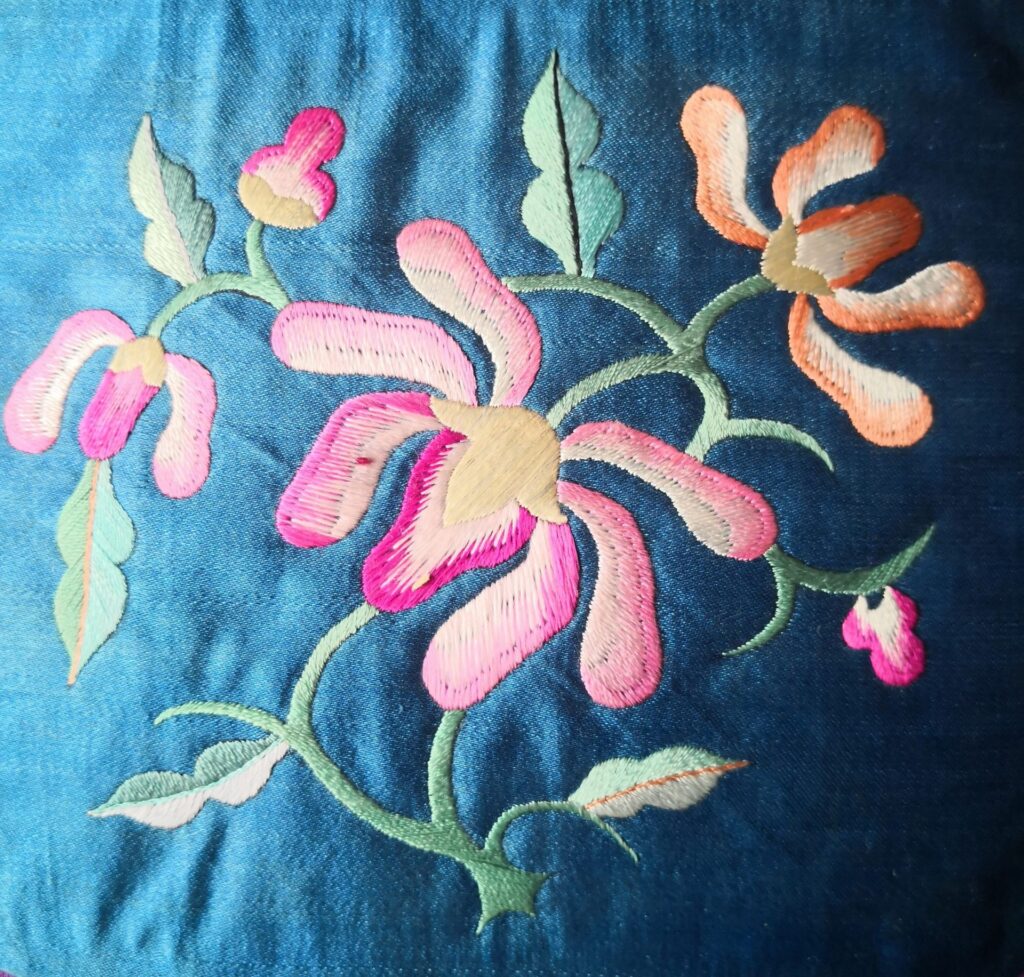
Pink and peach floral embroidery with green stems on blue fabric, showing the direction and texture of the stitches

Private Online Lessons

Private Online Chinese Embroidery Lessons

Live one-to-one lessons, with individual guidance from the foundations onward. Start with a complimentary video conversation to discuss your learning goals and schedule.

Enquiry first. Online course payments are not open.

View Private Lesson Details

Find Your Way into Chinese Embroidery

Whether you are beginning your study, caring for a collection, planning a cultural project, or looking for trusted materials, we offer clear pathways to learn, preserve, and practice.

Start with Chinese Embroidery Stitches for terminology, materials, and visual observation before choosing a book or course.

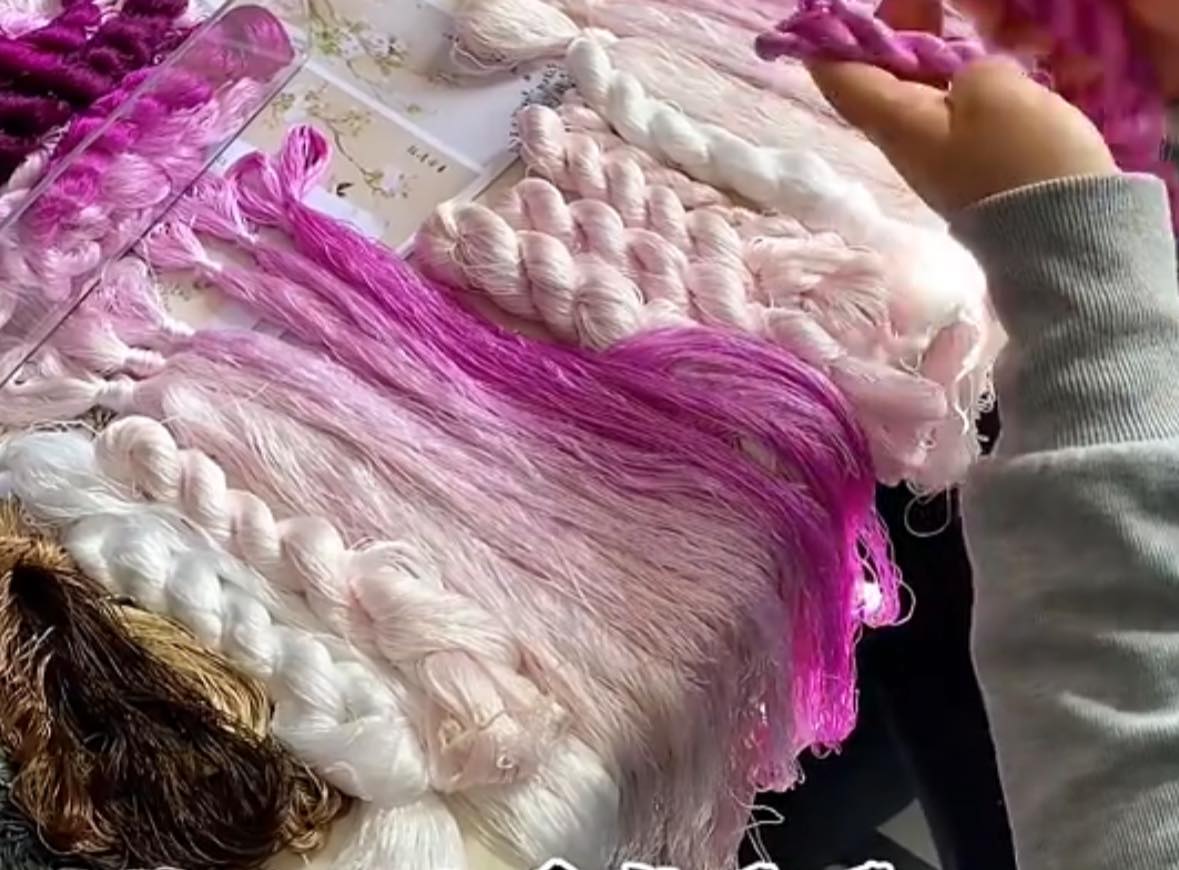
Hanks of Chinese silk embroidery thread in graded colours

Learn Chinese Embroidery

Study traditional Chinese embroidery through structured classes and courses, with attention to technique, materials, cultural context, and disciplined hand practice.

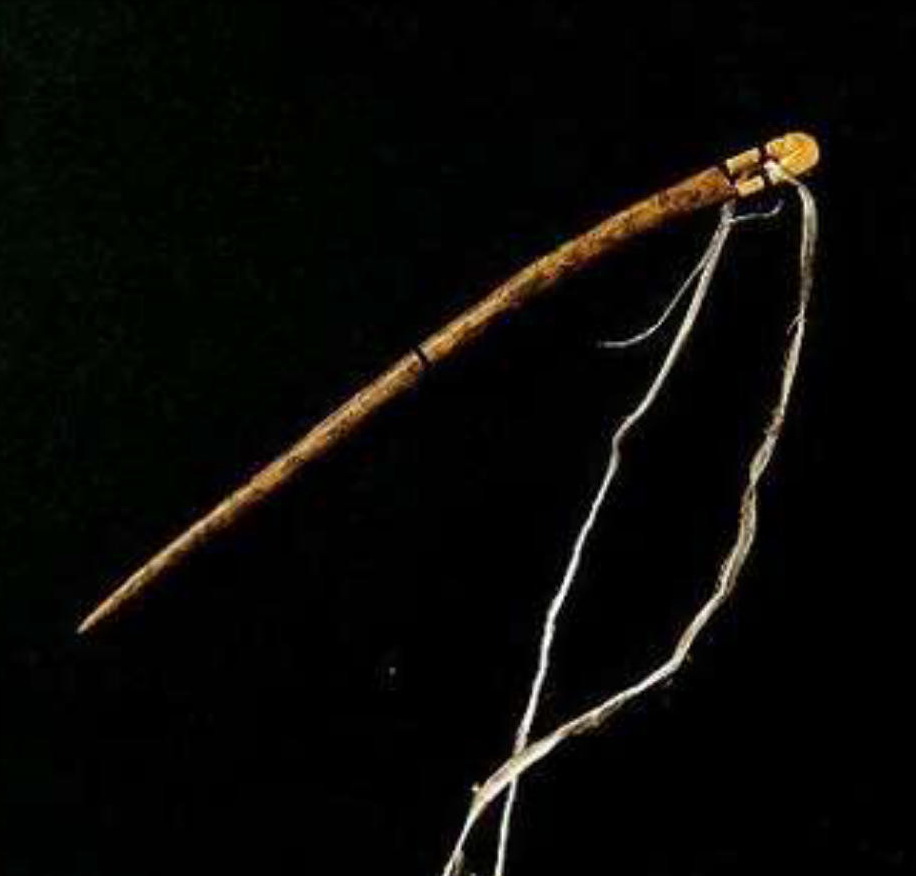
Ancient bone needles, early evidence of sewing and embroidery in China

Research, Restoration & Cultural Cooperation

Historical research, recovery of lost techniques, conservation and research-based reproduction, and professional cooperation with collections, museums, universities and cultural projects.

Gold embroidery wire wound on spools

Materials, Tools & Books

Browse selected embroidery materials, tools, and books that support traditional Chinese embroidery learning, teaching, and studio practice.

Rooted in Research, Carried Through Practice

Our work joins historical research with advanced artistic practice. We study Chinese embroidery and kesi through surviving objects, written sources, materials and techniques, and we use making itself (research-based reproduction, experimental reconstruction and new work) to test and deepen what that research shows. Publishing, teaching and professional exchange carry the results to a wider public.

The Institute’s research spans Chinese embroidery from early periods to the modern era and across many regions and communities: the dress and household embroidery of China’s ethnic groups, folk, court and religious textiles, embroidery made as painting and calligraphy, and kesi, a woven silk tapestry. It gives particular attention to Song dynasty art embroidery, Ming dynasty Gu embroidery and historical kesi, studied as part of that wider field rather than ranked above it. Read about the Institute’s research and professional work · Our research philosophy and methodology.

Explore the history of Chinese embroidery through illustrated examples from the Institute’s research and books, shared to support learning and transmission.

• Historical research and connoisseurship of embroidery and kesi

• Recovery of lost techniques and safeguarding of endangered traditions


• Conservation, research-based reproduction and new artistic work


• Teaching, publishing and social transmission

Shao Xiaocheng's embroidery 'Paulownia and Paradise Flycatcher', shown at a national arts exhibition, October 2009.

Learning Through Hand, Material, and Tradition

Our courses are designed for learners who want to understand Chinese embroidery through disciplined hand practice, careful observation, and respect for traditional techniques and materials.
About Chinese embroidery

Foundations of Stitch and Material

Begin with essential stitches, silk threads, fabric handling, and the discipline of hand control.

Technique, Image, and Composition

Develop deeper skill through stitch variation, color transitions, image interpretation, and project-based practice.

Studio Practice and Cultural Context

Connect embroidery practice with regional traditions, symbolic meaning, preservation awareness, and contemporary cultural expression.

Preservation, Restoration, and Cultural Cooperation

For historical textiles, careful work begins before the needle moves. Each conservation question starts with research into the object’s materials, structure, technique, history and condition. We discuss conservation and restoration, research-based reproduction, collection care, research cooperation and public cultural projects related to Chinese embroidery, kesi and related textiles.
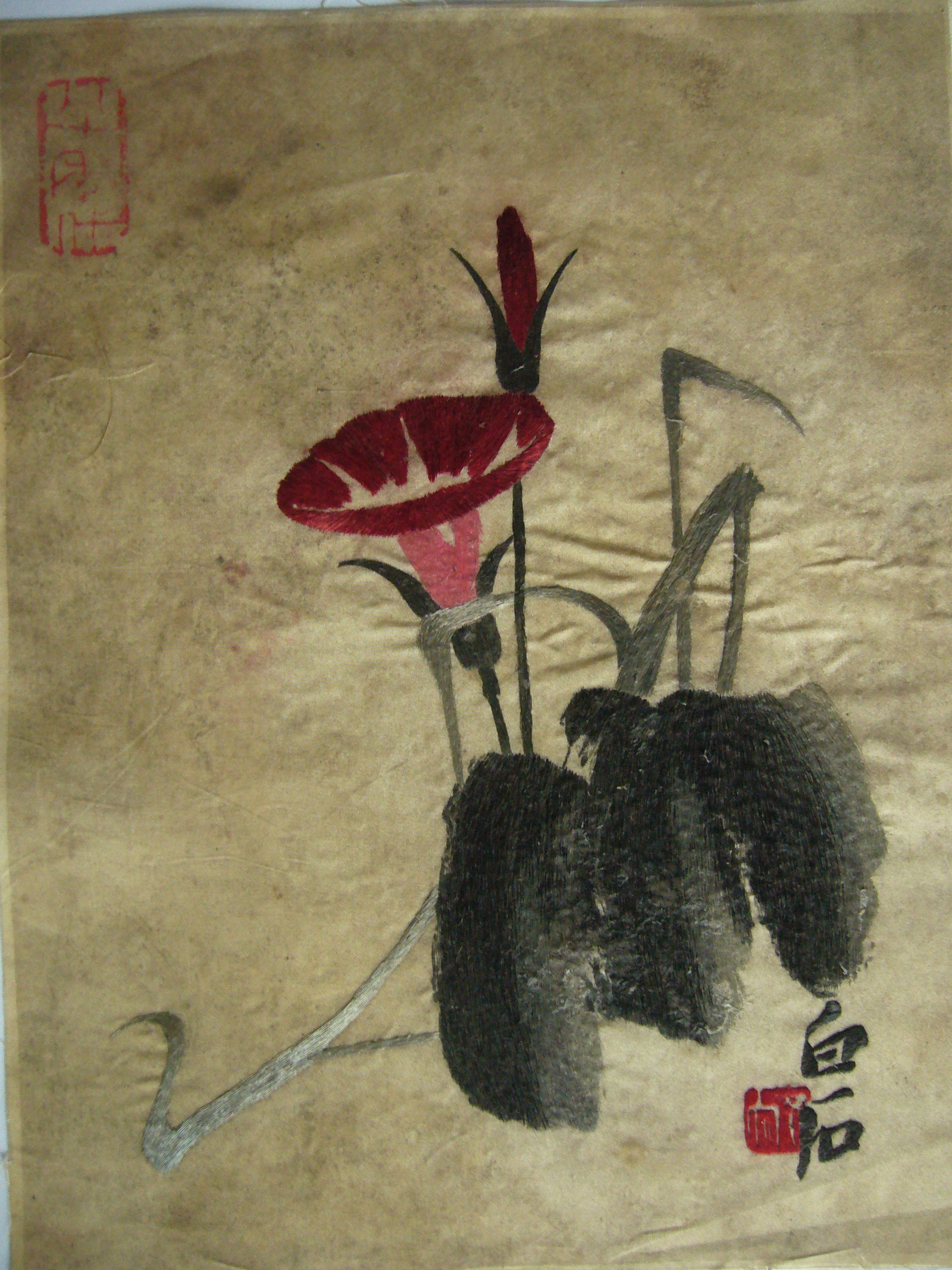
Early embroidery work by Shao Xiaocheng
An Embroidered Pad of Flower Patterns, Yuan Dynasty

• Preliminary discussion of conservation and restoration needs
• Research-based reproduction, kept distinct from treatment
• Research, educational and public cultural cooperation

Selected Resources for Study and Studio Practice


The CEI Shop offers selected embroidery materials, tools, and books to support traditional Chinese embroidery learning, teaching, and careful studio practice. These resources are presented as part of a broader understanding of thread, fabric, technique, and cultural meaning.
Start with a Conversation

Whether you are exploring a course, caring for a textile collection, planning a cultural project, or looking for suitable materials, you are welcome to contact the institute. Please share your interest and context, and we will review your message carefully.

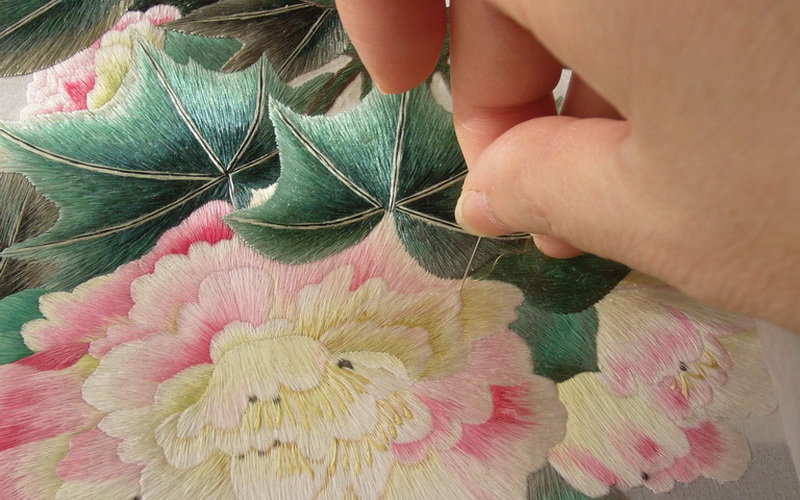
Detail of Chinese silk embroidery showing thread texture and stitch direction